Independent HVAC Equipment Consultation for Phoenix Homes
HVAC consultation and system replacement planning for homeowners in Phoenix, Sun City, Peoria, Surprise, and Buckeye.
Plan your HVAC replacement so you decide what happens before equipment failure forces a rushed decision.
Independent guidance for homeowners comparing equipment, airflow, and system design.
After performing
thousands of energy audits across the Phoenix Valley and more than 15 years working in residential HVAC and home performance, we’ve seen what separates systems that perform well from those that struggle from day one.
Avoid the dreaded
"I wish I would have known that first"
Replacing HVAC equipment is one of the largest mechanical investments homeowners make. But the equipment itself is usually only part of the decision.
Who is going to install it is usually also part of the conversation. Addressing comfort problems, airflow limitations, insulation performance, duct design, and home layout can all influence how well a new system performs. Today's systems are much less forgiving with poor installation quality. Simply replacing equipment rarely solves issues if the underlying conditions in the home are not evaluated first. Today’s HVAC systems also offer comfort features and efficiency improvements that were not available even a few years ago. If you're interested in understanding what options & equipment are available, without the sales pressure, schedule a new equipment consultation.
Why HVAC Equipment Decisions Can Be More Than They Seem
You may have heard the phrase:
“It’s not the equipment - it’s the quality of the installation.”
There’s a lot of truth in that statement. But what they actually means leaves homeowners and some installers bewildered. What are all the details that actually make an installation “quality?”
After working in homes across the Phoenix valley for many years alongside some excellent contractors and some not-so-great ones, we’ve seen both the best practices and the shortcuts that unfortunately still happen in the industry.
Most poor installations aren’t caused by intentional neglect. They usually come from outdated practices or a lack of understanding of how modern equipment operates and todays best building practices. Sometimes it's buying less quality parts, using old materials or omitting items all together.
Today’s HVAC systems operate with tighter tolerances and more sophisticated controls than systems from even a decade ago. Installation methods that once “worked well enough” now lead to reduced performance, comfort complaints, higher than necessary energy consumption, and premature equipment failure.
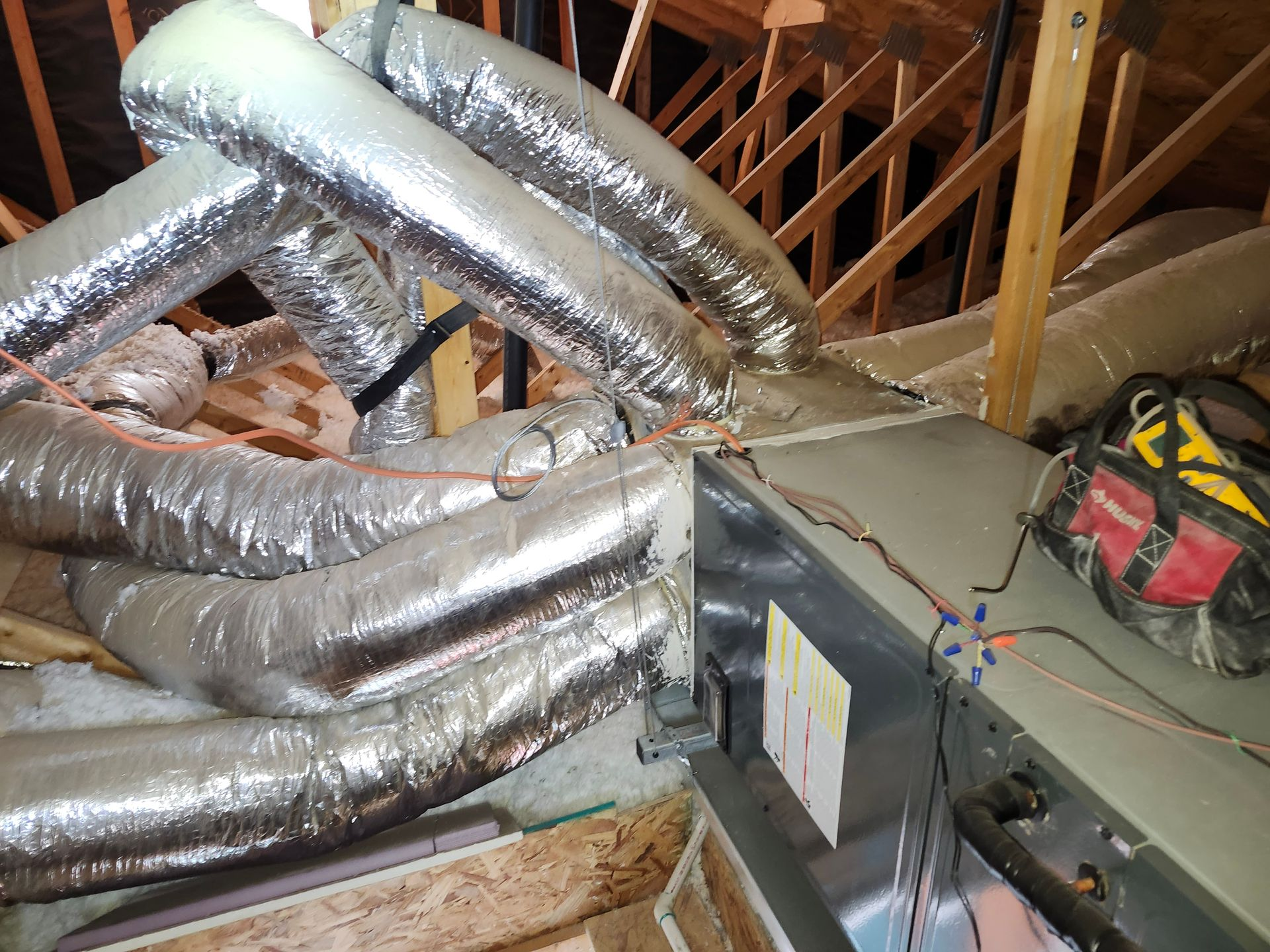
System is less than 1 year old, House is less than 15 years old. Multiple comfort complaint calls over the years, plus multiple breakdowns, new unit was installed to the old duct system resulting with the same problems and some worse.
Most HVAC problems blamed on equipment are actually airflow or home performance problems.
Why HVAC Replacement Quotes Can Vary So Much
Homeowners are often surprised when HVAC replacement quotes vary by thousands of dollars even when the equipment appears similar.
Differences in System Design
Some quotes focus primarily on replacing the existing equipment, while others may include evaluation or improvements to airflow, duct performance, return air capacity and even different equipment sizing recomendations.
These factors can significantly influence comfort and efficiency after installation.
Equipment Type and Technology
Modern HVAC systems range from traditional single-stage equipment to variable-speed or inverter-driven systems that operate very differently.
While higher-efficiency equipment may have a higher upfront cost, operating characteristics and comfort improvements may justify the difference depending on the home.
Duct System Condition
The duct system is responsible for delivering conditioned air throughout the home.
If ducts are undersized, poorly sealed, or restricted, simply replacing equipment may not solve airflow or comfort problems.
Some proposals include duct improvements while others assume the existing system is adequate.
Installation Practices
Installation quality can have a significant impact on how well HVAC equipment performs.
Proper airflow setup, refrigerant charging, nitrogen flow brazing, and system commissioning all influence comfort, efficiency, and equipment longevity. Some Companies reuse hanging systems, drain pans, plenums, and more. Comparing what's included in parts and procedures is important.
Differences in Company Structure
HVAC companies operate with different business models, which can influence pricing and the services included in a proposal.
Some companies focus primarily on equipment replacement and installation, while others may include additional evaluation of airflow, duct systems, or other home performance factors.
Larger organizations may offer extended warranties, service agreements, or additional support staff that contribute to operating costs.
Smaller companies may operate with lower overhead but may provide a narrower scope of services and availability.
Because of these differences, quotes that appear similar at first glance may include very different levels of evaluation, installation detail, and long-term support.
Home Performance Factors
Air leakage, insulation levels, and overall building performance affect how much heating or cooling a home requires.
When these factors are not considered, equipment recommendations may vary widely.
Because these factors can vary from home to home, equipment replacement decisions are rarely as simple as comparing brand names or efficiency ratings.
A consultation helps evaluate these variables so homeowners can better understand which recommendations are likely to deliver the comfort, efficiency, and reliability they expect.
Replacing HVAC Equipment Is a Major Investment
Understanding how the home, duct system, and equipment work together can prevent costly mistakes
Why “They Don’t Make Them Like They Used To” Might Actually Be a Good Thing
You may hear people say “They don’t make equipment like they used to.” about air conditioners amongst other things
In reality, modern systems are far more efficient than older equipment — and that’s a good thing.
If older systems were still the norm, energy bills in the Phoenix climate would be dramatically higher than they are today.
Efficiency is commonly discussed using ratings like SEER or EER, which measure equipment efficiency under specific test conditions.
However, these ratings don’t always reflect how systems perform in real homes where:
- duct losses occur
- airflow restrictions exist
- high room loads exist
- partial load operation dominates
- desert temperatures fluctuate dramatically
In other words, the equipment rating alone doesn’t determine how efficient the system will be in your home.
One other note about newer equipment is that newer systems don't handle the same neglect in maintenance or poor installation practices as lesser efficient older models.
Why Equipment Type Matters
As HVAC technology evolves, homeowners now have options that operate very differently from traditional systems.
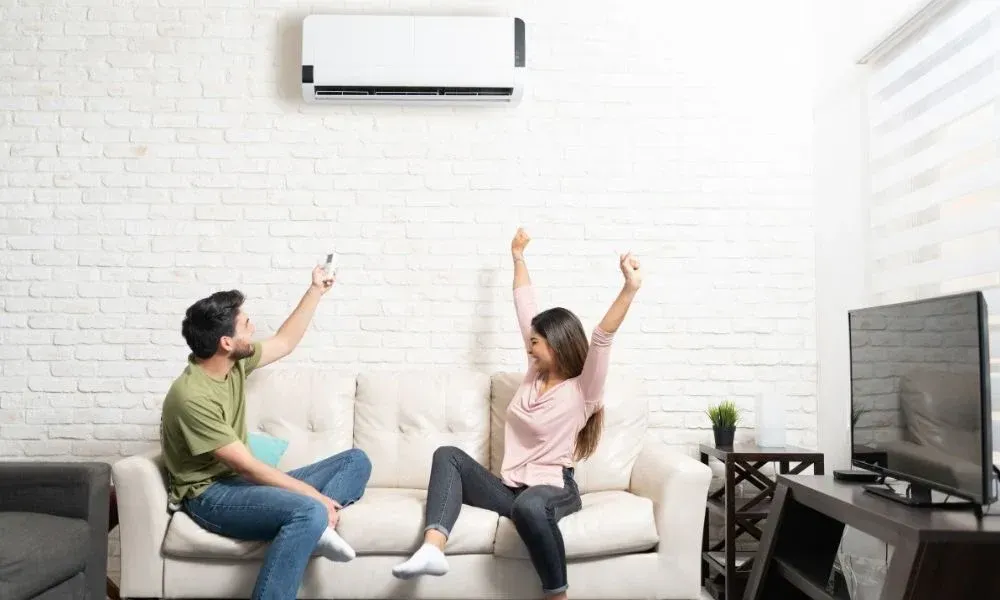
Technologies such as inverter-driven heat pumps, ductless mini-split systems, and variable-speed equipment are becoming more common and can offer improved comfort and efficiency when properly designed.
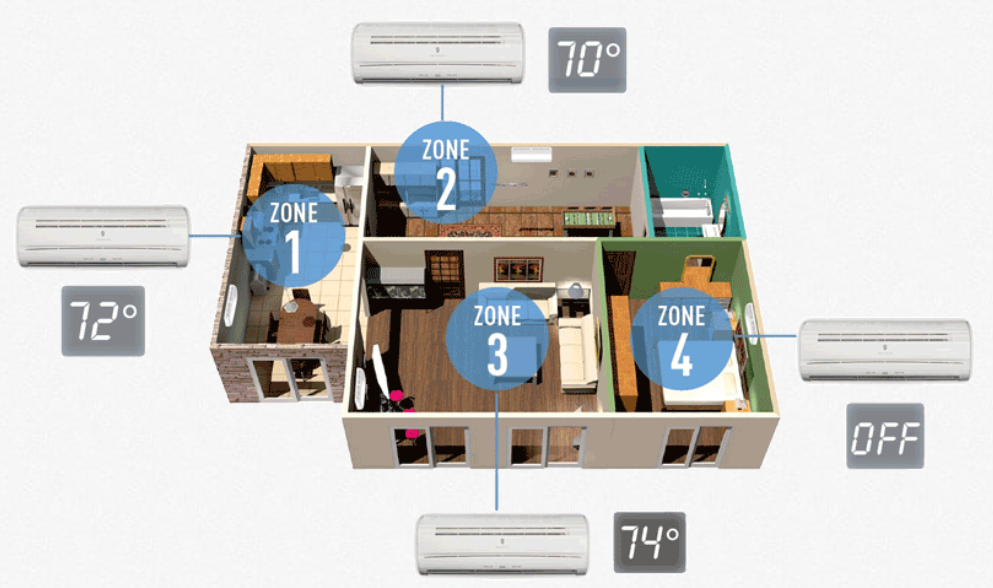
Some systems also allow for better zoning control, giving homeowners the ability to maintain different temperatures in different areas of the home.
Solar compatibility and battery backup integration are also becoming part of the conversation as homeowners explore ways to reduce energy costs and maintain essentials during a power outage. When replacing equipment consider long term goals. Replacement is something most homeowners do once sometimes twice in a lifetime.
Why Efficiency Ratings Don’t Always Tell the Whole Story
Efficiency ratings like SEER are useful for comparing similar equipment under standardized test conditions, but they don’t always reflect how systems operate in real homes.
For example, an inverter-driven system with a slightly lower SEER rating may still produce a lower electric bill than a traditional single-stage system with a higher SEER rating.
This happens because inverter systems adjust their output smoothly to match the home's cooling demand instead of repeatedly starting at full power.
By operating at lower speeds for longer periods of time, these systems can reduce peak electrical loads and improve overall efficiency -especially in climates where utility demand charges influence energy bills.
Equipment efficiency ratings alone rarely tell the full story.
Proper Sizing Matters More Than Most People Realize
If you've wondered how many tons of AC does my house need?
Homeowners often hear simple rules such as
“one ton of cooling for every 400 square feet.”
While these rules of thumb were used often before modern day digital load calculations, they rarely produce accurate results in modern homes.
The correct way to size HVAC equipment is with a Manual J load calculation, which evaluates many factors including:
- home orientation and sun exposure
- insulation levels
- window size and type
- air leakage in the building shell
- duct system location and performance
- ceiling heights and room layout
Two homes with the same square footage can require very different equipment sizes depending on these factors.
Oversized equipment can lead to:
- short cycling
- uneven temperatures
- reduced efficiency
- increased equipment wear
Undersized equipment may struggle to maintain comfort during peak summer conditions.
This is why proper load calculations and airflow evaluation are important before selecting new HVAC equipment.
The size of the system installed often has a greater impact on performance than the equipment brand or efficiency rating itself.
One Question HVAC Quotes Often Skip
Before replacing HVAC equipment, make sure the duct system can actually support the new system.
Was the duct system evaluated?
Most equipment replacement quotes focus almost entirely on the outdoor unit and indoor equipment. But the return air system is what allows the HVAC equipment to start the heating or cooling process (breathe in) and the supply ducts (breathe out) deliver the conditioned air out through the home.
If the return ducts or return grille area are undersized, the system may struggle to move enough air regardless of how efficient the equipment is.
In many Phoenix homes we evaluate, we find:
- undersized return ducts
- insufficient return grille area
- high static pressure caused by restrictive airflow
- filtration upgrades installed without increasing return capacity
These conditions can lead to:
- reduced system efficiency resulting in higher bills
- increased equipment wear
- excessive noise or airflow issues
Evaluating return air capacity and overall system airflow before replacing equipment helps ensure the new system can operate the way it was designed.
When return air capacity is limited, even high-efficiency equipment can struggle to deliver the comfort homeowners expect.
Why this is especially common in Phoenix
Many homes were built with duct systems designed around older equipment assumptions or simple sizing rules. As equipment technology and efficiency standards have evolved, airflow requirements have become more important for proper system performance. Many homes in Phoenix, Sun City, Peoria, Glendale, Ahwatukee and Buckeye still utilize a central trunk designed for older high air volume evap coolers. Typically accompanied with a single undersized return and filter in the hallway.
Newly Installed System Not Performing
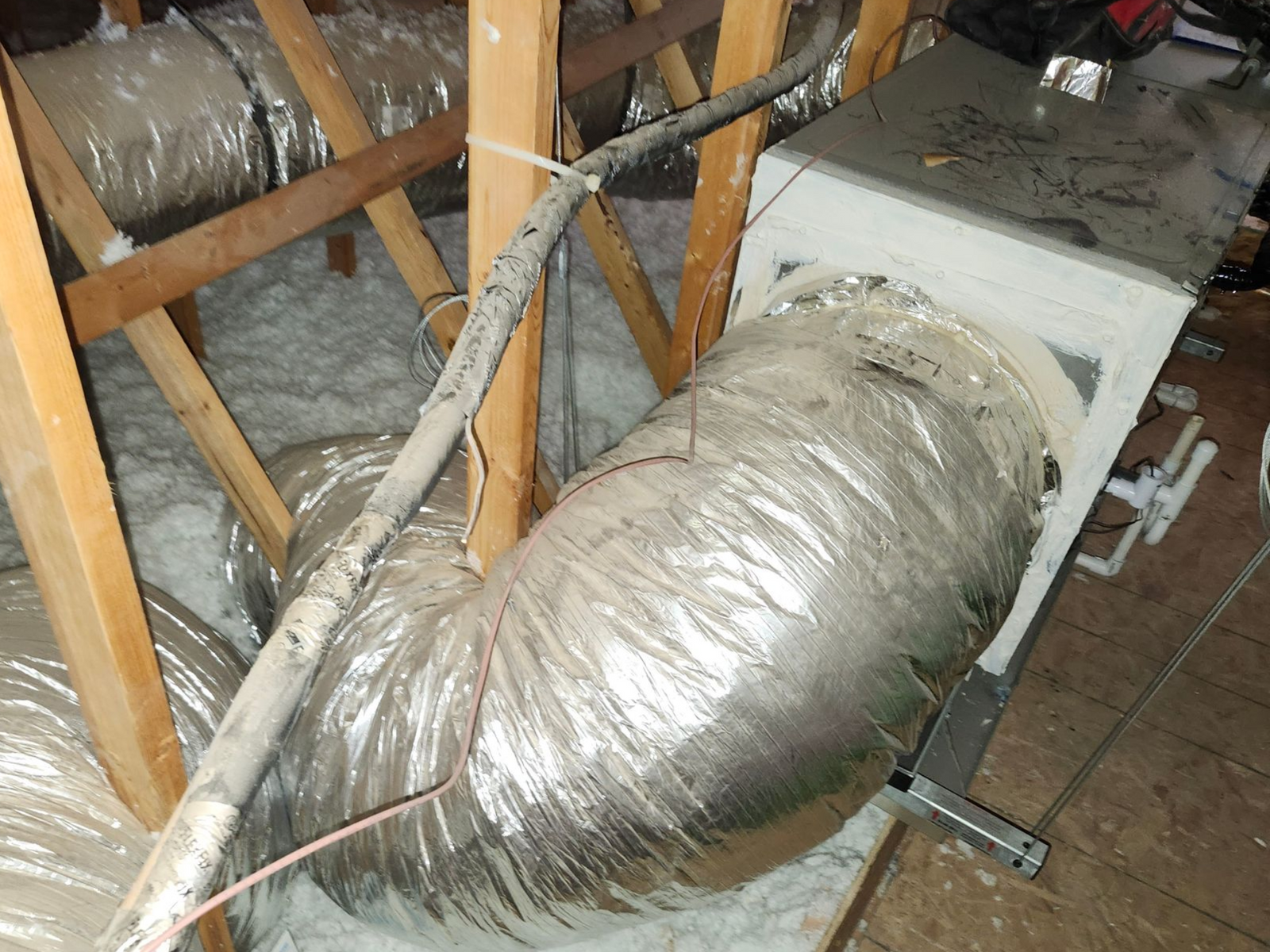
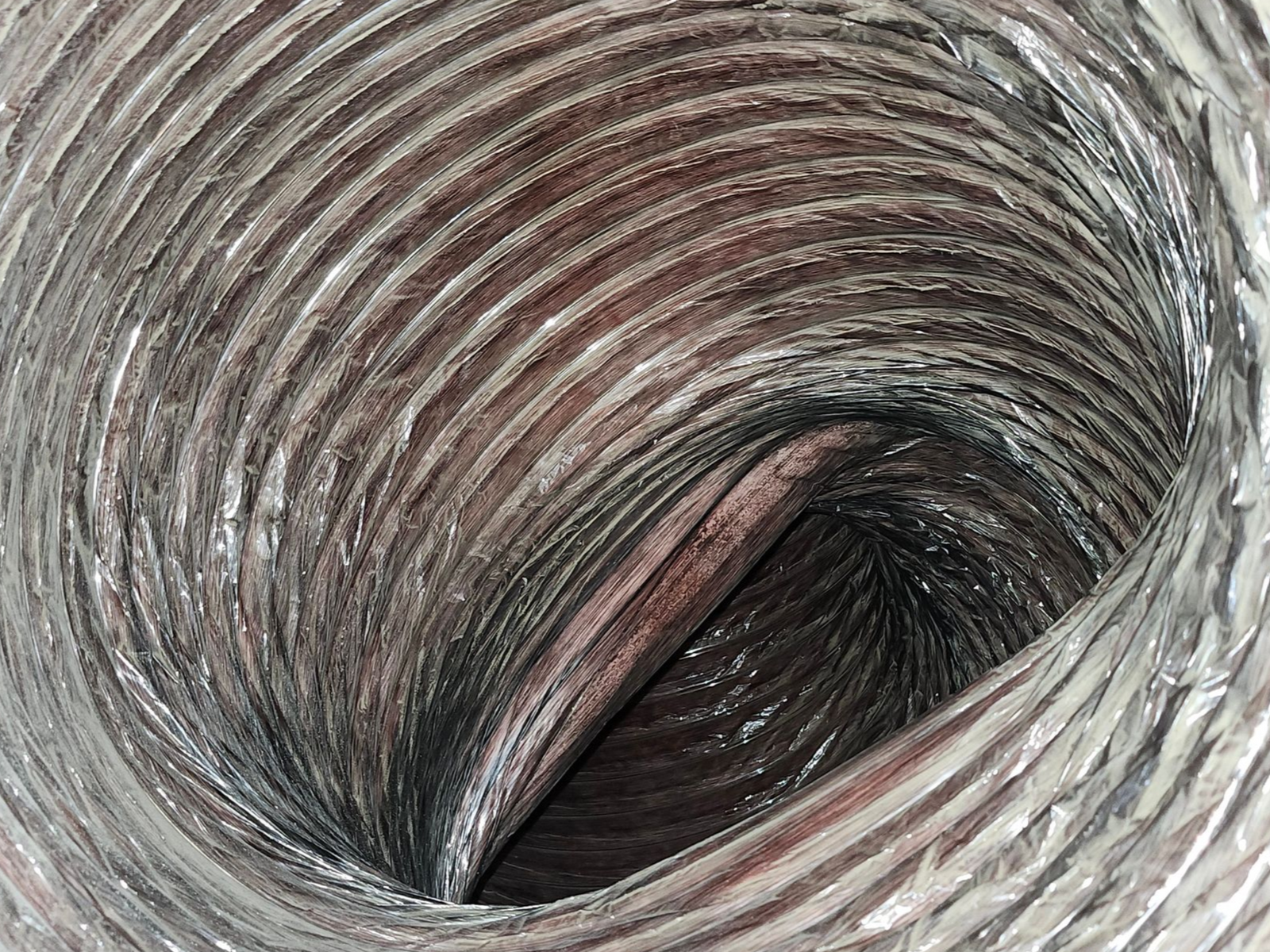
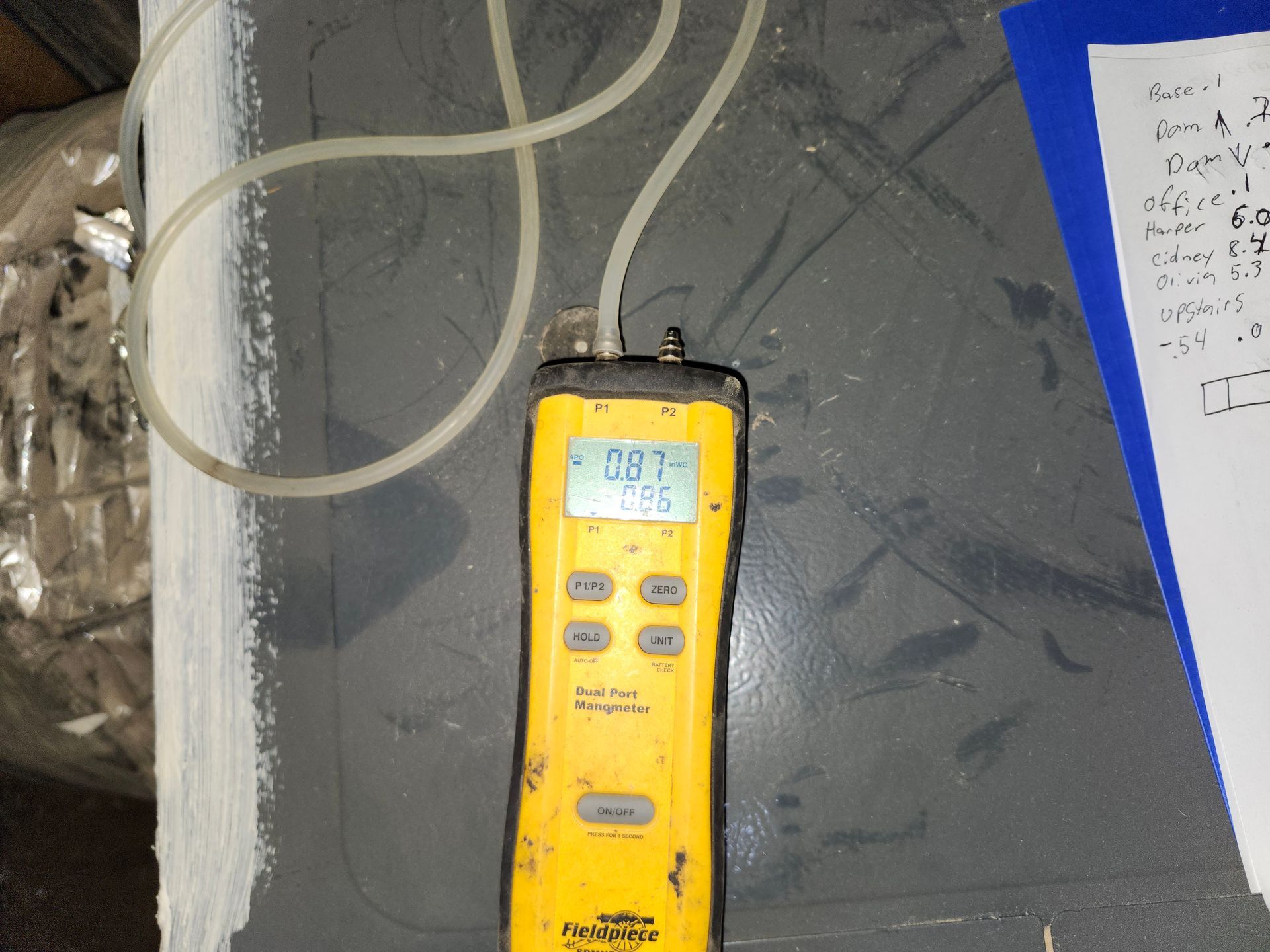
To the right are (3) photos showing common but avoidable problems. No Return Plenum is being used. The return duct is inadequate in size and reduced further becuase of poor routing plus no straps are securing it in place. The third shows a static pressure gauge testing at .87 for just the return side, which is about 3 to 4 times higher than what allows maximum efficiency. High static pressures can result in reduced airflow with poor comfort and performance. When the airflow isn't correct, efficiency, dehumidification, distribution and more are affected. The client had drainage problems, major comfort and airflow concerns and a new dust problem that didn't exist before
Common Problems We See After New HVAC Systems Are Installed
- new equipment installed on undersized ducts
- oversized systems causing short cycling
- return air restrictions causing high static pressure
- duct leakage reducing system capacity
- insulation and air leakage increasing cooling load
Not Sure If You Actually Need New HVAC Equipment?
Many homeowners call us thinking the system needs to be replaced — but sometimes the real issue is airflow, duct design, insulation, or duct leakage leakage.
In some homes, correcting those issues can improve comfort without replacing the equipment at all.
Our consultation helps homeowners understand whether replacement, improvements, or both make the most sense.
The goal is clear answers before making a major investment.
Clear Answers Before You Make a Major HVAC Decision
Our consultation helps homeowners understand what the home actually needs before replacing equipment.
Why Homeowners Request an Equipment Consultation
These consultations are most often requested when homeowners want an independent evaluation before committing to a major HVAC investment.
Common situations include:
- receiving multiple conflicting equipment replacement quotes
- persistent comfort problems such as hot or cold rooms
- high energy bills despite equipment upgrades
- planning insulation or air sealing improvements
- replacing equipment in older homes where duct systems may be poorly designed, installed, insulated or leaking
- exploring options like ductless systems or hybrid designs
- You have concerns not being addressed
Many homeowners simply want to understand their options before making such a large investment.
What Can Be Evaluated During an Equipment Consultation
Depending on the homeowner’s goals, a consultation may include:
- Manual J load calculations for proper equipment sizing
- Manual D for complete new duct system design
- Static pressure and airflow diagnostics
- Duct system layout and leakage evaluation
- Return air capacity and filter performance
- Equipment performance measurements
- Evaluation of insulation and air leakage affecting system load
- Discussion of ducted vs ductless or hybrid system options
- Evaluation of fresh air ventilation systems
- Filtration and indoor air quality considerations
- Estimated operating costs of equipment (Energy Modeling)
- Existing Building Load Factors such as construction type, insulation, windows, duct systems, air leakage, ventilation and more.
The goal is to help homeowners understand how the entire home is performing and interacts with HVAC equipment. This allows for better recommendations of equipment based on client goals. Allowing better decisions before major investments are made.
How the House Itself Affects HVAC Performance
Many heating and cooling problems are blamed on the equipment, when the real cause often comes from how the home itself performs.
Air leakage, duct leakage, attic insulation performance, and airflow restrictions can all change the heating and cooling load of a home and affect how efficiently HVAC equipment operates.
In some cases, equipment replacement happens before these underlying issues are identified, which can lead to disappointing results even with new higher performing systems.
Evaluating how the home performs helps ensure HVAC equipment decisions are based on real conditions rather than assumptions.
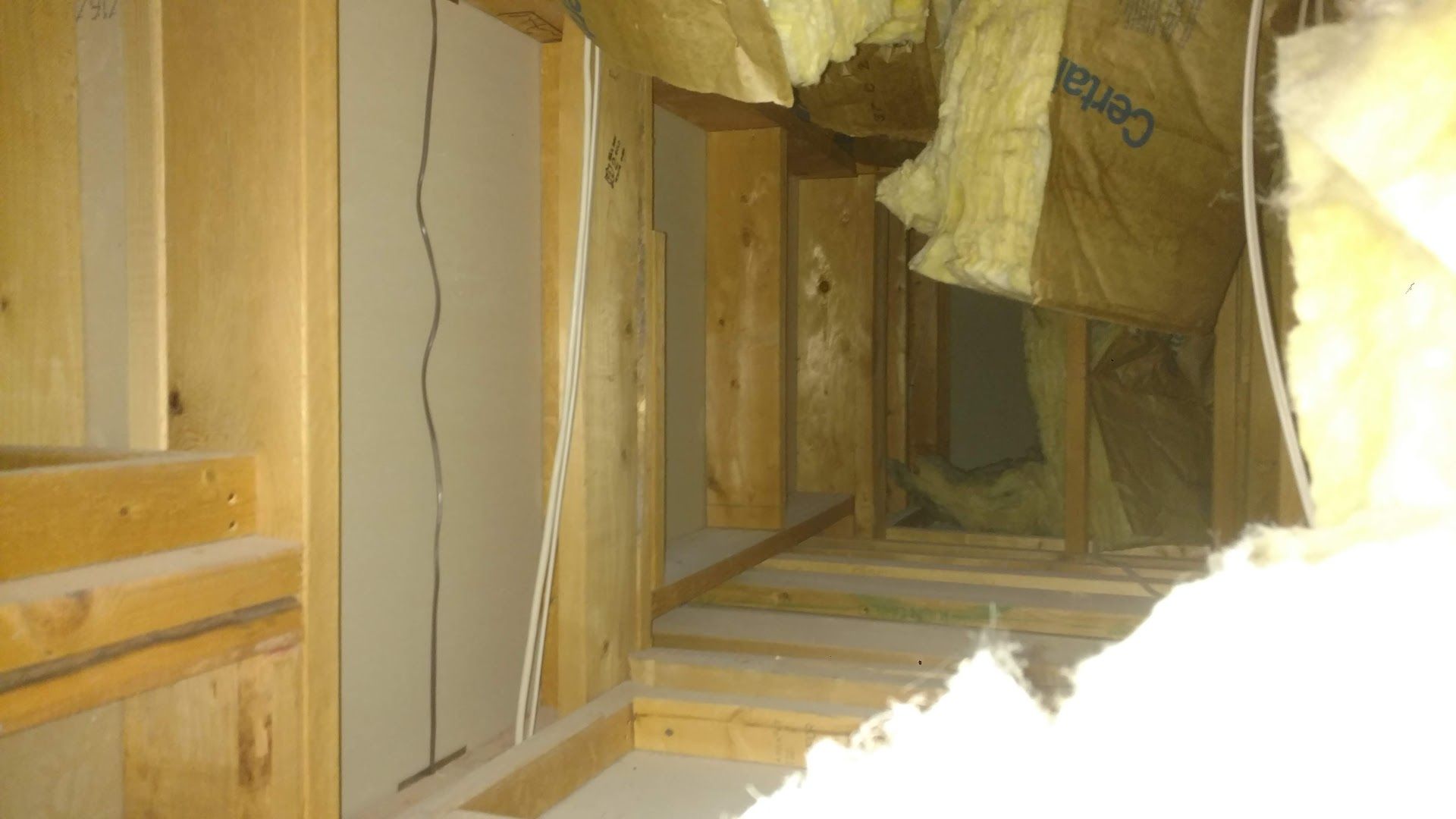
After thousands of energy audits, 100's of upgrades and equipment replacements and more than 15 years as a BPI-certified Building Analyst participating in Home Performance with ENERGY STAR® program, we’ve seen the patterns that separate temporary fixes from lasting results.
A Few Simple Questions Can Prevent Years of Comfort Problems
Before choosing equipment, it’s worth understanding how the system and home interact.
A Few of Many Questions to Ask Before Replacing HVAC Equipment
Replacing HVAC equipment is a major investment, and many homeowners receive multiple quotes often with very different recommendations. Asking a few important questions can help ensure the system you choose delivers the comfort and efficiency you expect.
Was a load calculation performed to size the equipment?
Proper sizing should be based on a manual J load calculation, not rules of thumb like square footage per ton. Equipment that is too large or too small can lead to comfort issues and inefficient operation.
Has the duct system been evaluated?
The duct system plays a critical role in delivering conditioned air throughout the home. Restrictions, leakage, & undersized return ducts limit system performance and are commonly found in Phoenix homes.
Are there newer system options that may better match the home?
Modern HVAC systems include technologies such as inverter-driven compressors, ductless systems, and hybrid designs that may provide improved comfort and efficiency depending on the home.
Was airflow or static pressure measured?
Modern HVAC equipment requires proper airflow to operate efficiently. Excessive static pressure caused by restrictive ductwork or inadequate return air can reduce system performance, durability and increase energy consumption.
Are insulation and air leakage dramatically affecting the home’s cooling load?
Air leakage and insulation deficiencies can significantly increase the cooling demand of a home. Addressing these issues before replacing equipment may allow for smaller systems and improved comfort.
Has fresh air ventilation or filtration been considered?
Indoor air quality improvements such as fresh air ventilation or upgraded filtration systems to existing air intake systems often can be incorporated when HVAC systems are replaced.
Understanding the details before replacing equipment can help ensure the next system performs as designed and expected. A consultation can help review these considerations and determine which improvements may have the greatest impact on comfort, efficiency, system reliability, and technology needs.
What’s Included With Your Consultation
These diagnostics help identify problems that are often missed during traditional HVAC replacement quotes.
Professional whole-home performance testing starts at $99 for most single-system homes.
- Blower door testing- quantify home air leakage
- Duct leakage testing - quantify duct leakage
- Airflow and static pressure evaluation - verify duct sizing to equipment
- Attic insulation inspection - protection against the Phoenix heat
- Visual duct system inspection - delivery system of air conditioner
- General Load Analysis (comprehensive Heat Load Calculation-Manual J available at additional cost)
What to Expect During Your Evaluation
- We discuss your concerns, energy & comfort priorities
- Diagnostic testing is performed throughout the home
- Results and findings are reviewed and explained clearly
- Optional calculations and detailed findings and energy savings reports available when deeper analysis is warranted
- Consultations typically take approximately 90 minutes
No high-pressure sales — just clear answers about how your home is performing and what's available.
Not sure if a new equipment consultation is the right first step?
We’re happy to briefly discuss your situation and help determine whether an equipment consultation would be helpful before scheduling. Give us a call 602-525-5973
Professional Equipment Consultations starting at $99
for most single-system homes. Most evaluations take 60–90 minutes. You’ll receive clear findings and next-step recommendations never pressure.
This includes blower door testing, duct leakage testing, airflow/static pressure evaluation, attic insulation inspection, visual duct inspection, exterior inspection, evaluation of mechanicals and more.
Testing helps identify whether other items in the home should be addressed as part of a new system purchase.
Homes with multiple HVAC systems may require additional testing. All findings and recommendations are reviewed.
Schedule New Equipment Consultation
Sharp Home Solutions provides Consultation & Testing services throughout the Phoenix Metro and West Valley, including Peoria, Sun City, Sun City West, Surprise, and Buckeye.
We typically respond within the same business day.
Serving homeowners throughout the Phoenix Metro and West Valley.