Whole-Home Insulation Upgrades in Phoenix West Valley
Proper insulation is about more than just adding material. Performance depends on correct installation, alignment, air sealing, and choosing the right insulation type for the home. Sharp Home Solutions evaluates existing conditions first so upgrades deliver real, measurable results.
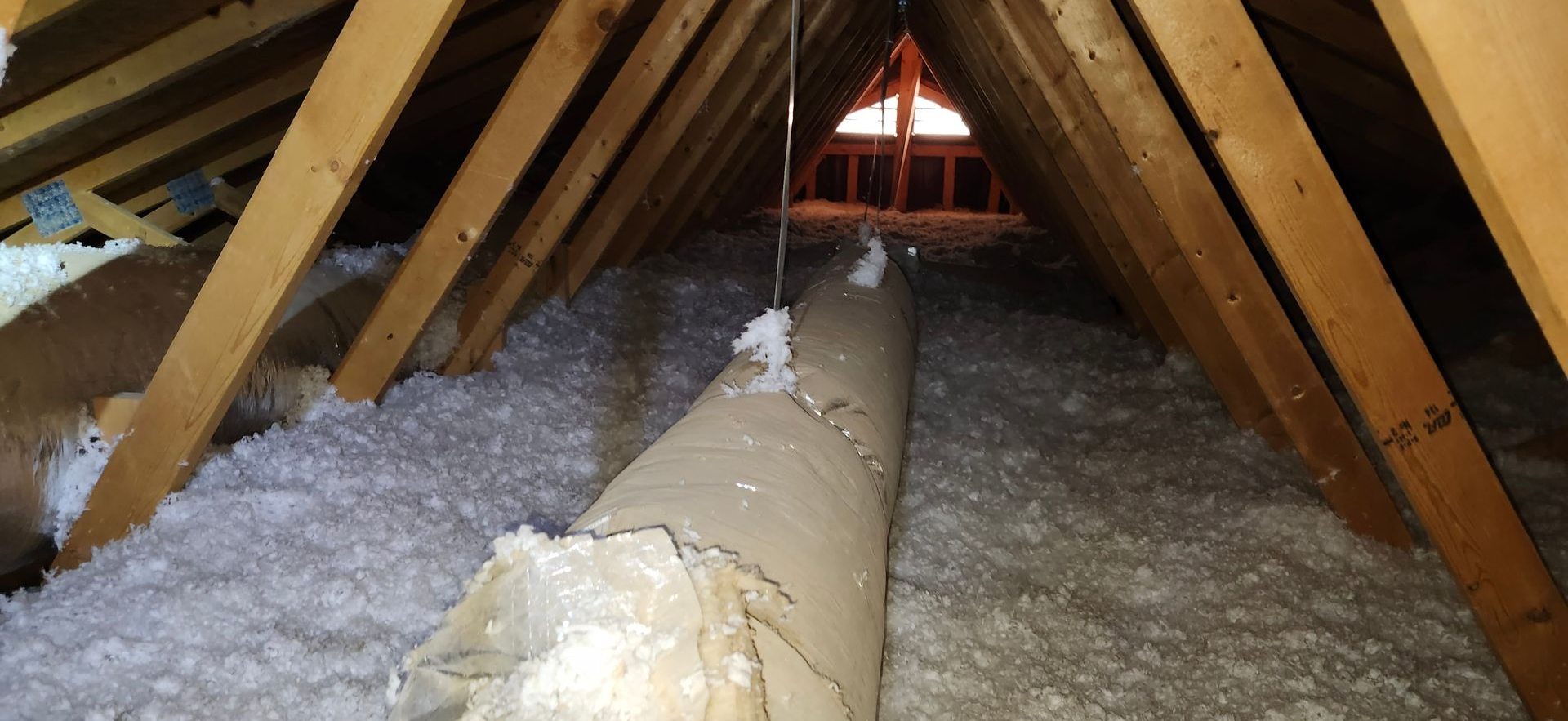
Sharp Home Solutions offers both cellulose and fiberglass loose fill attic installations as well as open wall and dense pack insulation
Based on thousands of home performance evaluations and retrofits across the Phoenix West Valley.
Why Insulation Performance Matters
In the Arizona climate, attic insulation plays a major role in controlling heat gain and maintaining consistent indoor temperatures. However, real-world performance depends on more than just insulation depth. Installation quality, proper coverage, alignment with the air barrier, and
controlling major air leaks all influence how well insulation actually performs. A thorough evaluation helps ensure upgrades deliver measurable comfort and efficiency improvements.
Our Attic Insulation Upgrade Approach
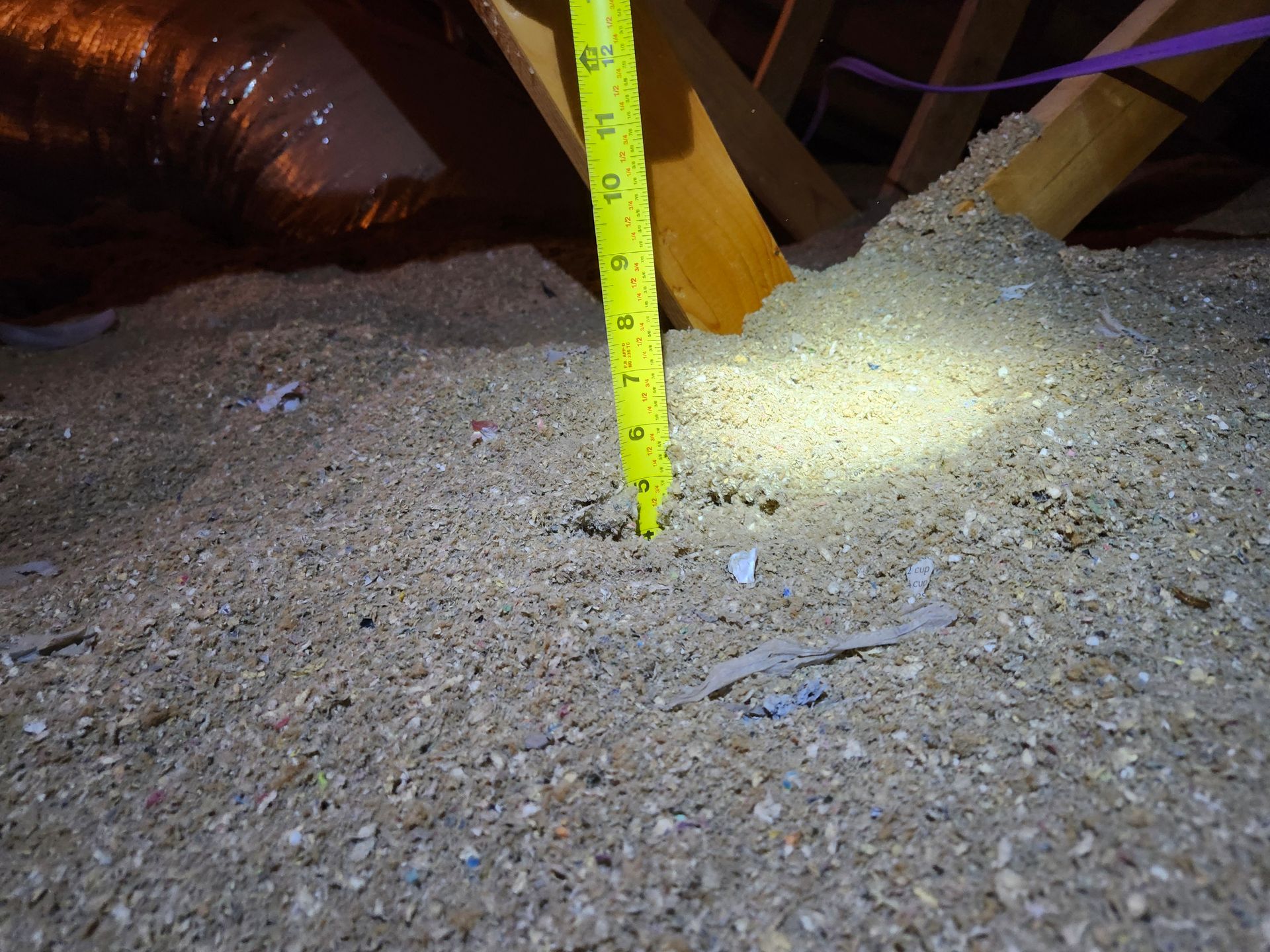
Inspect & Evaluate
We begin by measuring existing insulation levels, checking coverage quality, and inspecting attic conditions. This includes looking for misalignment, compression, non-IC rated can lights, open junction boxes, and other conditions that can affect insulation performance and saftey.
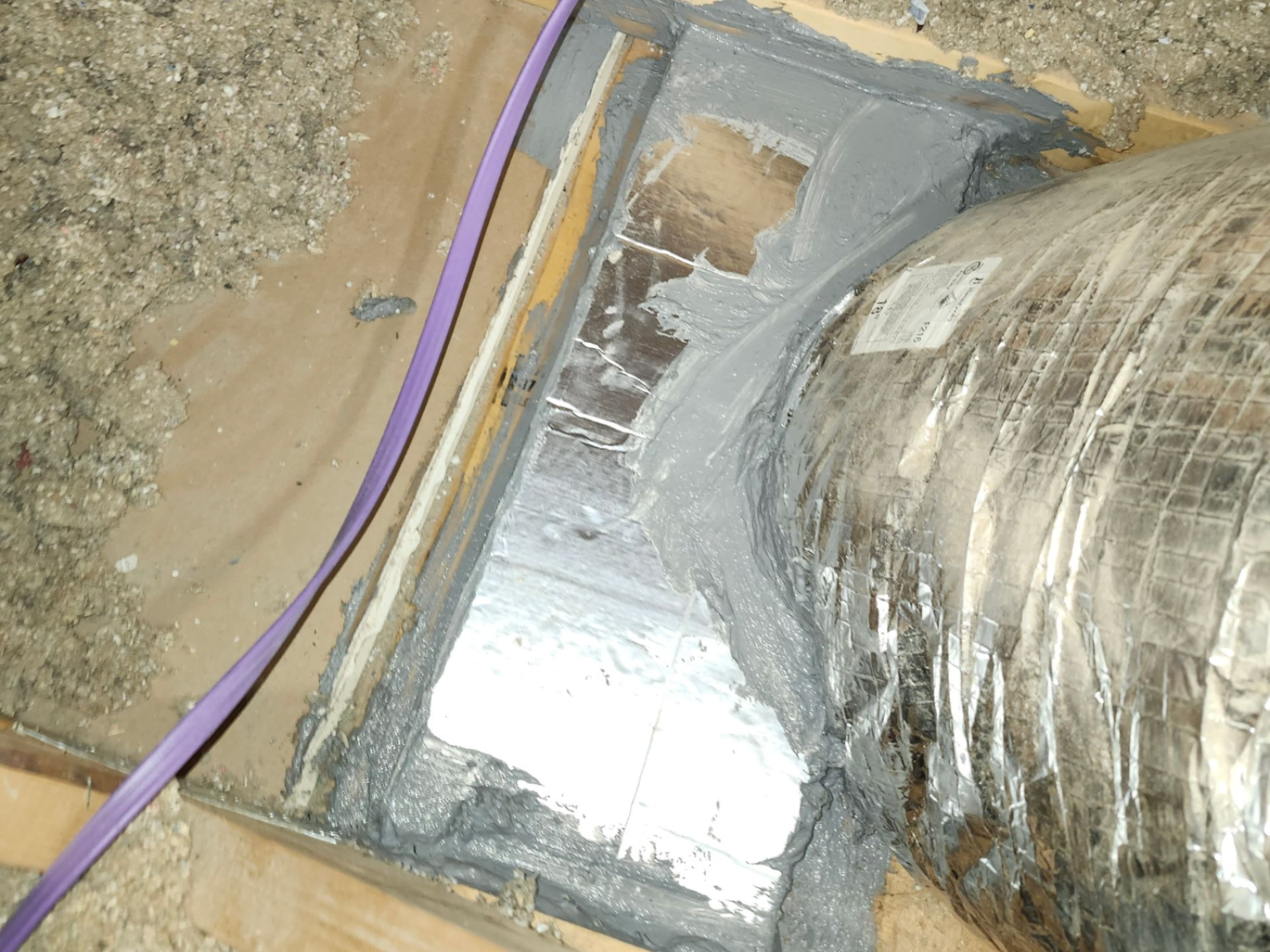
Prepare the Attic Properly
Before new insulation is added, we correct issues that can reduce effectiveness. This may include installing proper baffles, improving insulation alignment, building attic access dams, insulating interior hatches, and addressing air leakage pathways when needed.
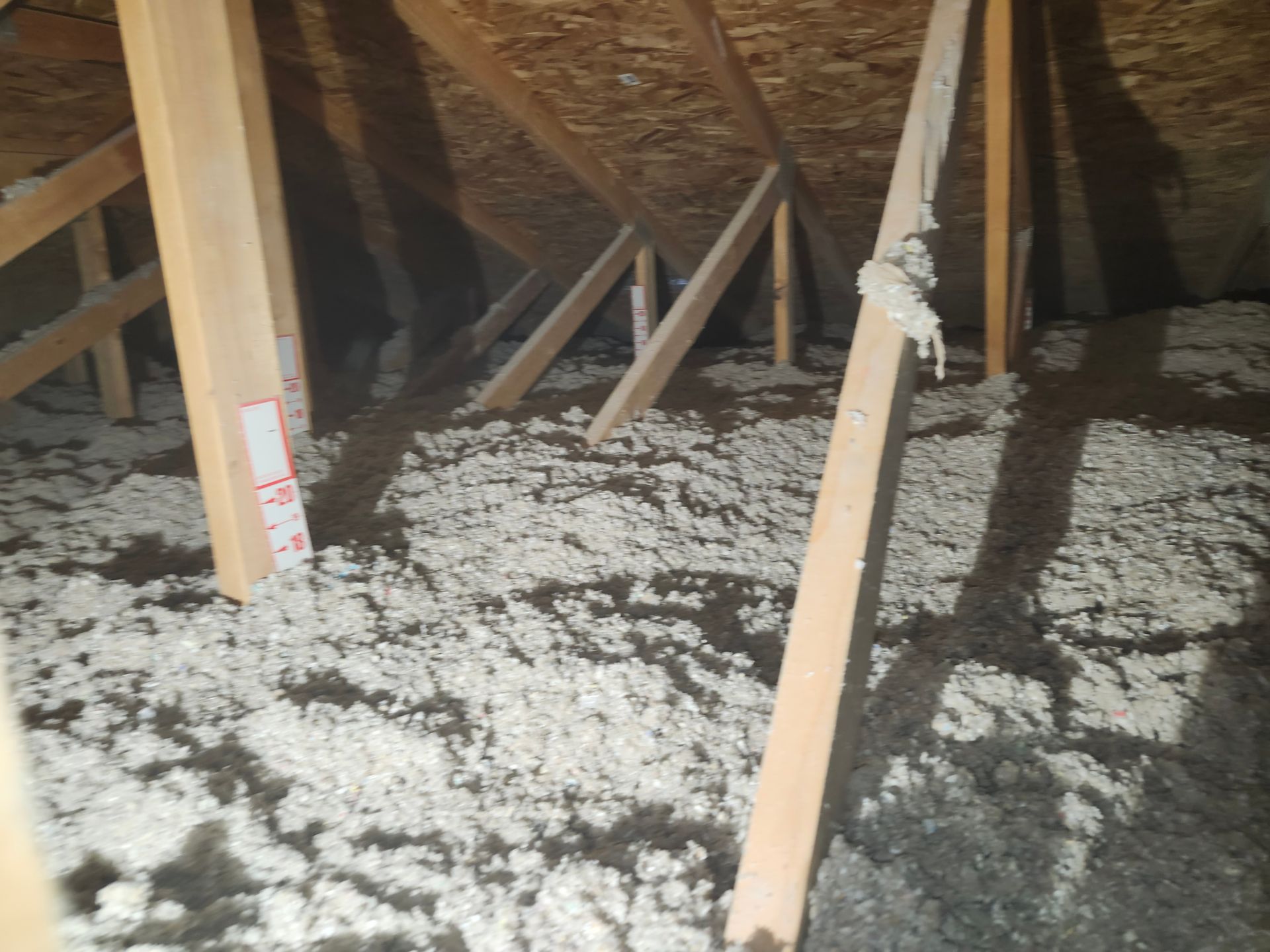
Install for Lasting Performance
Insulation is installed to achieve consistent depth and full attic coverage. Material selection and installation method are matched to the home's design so improvements deliver real comfort and efficiency gains.
When Insulation Upgrades Make the Biggest Impact
Insulation Often Helps When:
• Attic insulation levels are visibly low or uneven
• Rooms heat up quickly during summer afternoons
• Indoor temperatures fluctuate more than expected
• Excessive seasonal increase in electric bills
Additional Improvements May Also Be Needed:
• Significant air leakage is present
• Duct leakage is contributing to comfort problems
• Airflow or room balance issues exist
• Existing insulation is badly misaligned or compressed
When many of our homes were built, insulation levels and installation practices were based on energy costs at the time. As utility rates have climbed and homes have aged, those original insulation conditions often struggle to keep up with today’s comfort and efficiency expectations.
Looking at insulation alone rarely tells the full performance story. In most homes, air sealing improvements are recommended alongside insulation upgrades to help maximize results. A helpful way to think about it: air sealing acts like the windbreaker, while insulation performs more like the knit sweater. Each serves a different role — but together they deliver far better comfort and efficiency than either one working alone.
Why Test Before Insulating?
Every home performs differently. A professional evaluation helps determine whether insulation improvements, air sealing, duct upgrades, or a combination of solutions will deliver the best results for your home.
Common Insulation Issues in West Valley Homes
Across the Phoenix West Valley, insulation problems often come down to installation quality and attic conditions rather than insulation depth alone. Older Ranch homes built through the 80's often suffer from major air leakage along the drop ceiling in the hallway. Homes built during the late 1980s through early 2000s with vaulted ceilings frequently show misaligned fiberglass batts. These are just a few common conditions that significantly reduce real-world performance even when insulation appears adequate at first glance.
- Misaligned or poorly fitted fiberglass batts
- Compressed insulation reducing effective R-value
- Thin or missing insulation at attic edges and eaves
- Voids created around ductwork, can lights, architectural features
- Uneven or inconsistent attic coverage
- Missing or Failed Ventilation Baffles
Attic Knee Wall Insulation Upgrades in Phoenix Homes
Not all insulation performs the same in the real world.
In many Phoenix homes with vaulted ceilings or that have other changes in ceiling height, attic knee walls separate the living space from extremely hot attic areas. These walls are typically insulated with fiberglass batts that are often installed poorly. Gaps, Voids or Compressions dramatically affect insulation performance.
In this Surprise, AZ home built in 2010, the knee wall contained standard R-13 batt insulation. Although the nominal insulation value suggested reasonable performance, the wall assembly still allowed significant heat transfer directly through the wood framing, a process known as thermal bridging. Additionally airflow pathways were further compromising insulation performance.
To improve the performance of this attic knee wall, we installed continuous rigid foam insulation across the face of the framing and sealed the assembly.
While the nominal insulation value increased by roughly 50% (R13-R21), the real-world thermal performance of the wall improved closer to +80% because the upgrade also reduced the thermal bridging and air movement.
This type of improvement highlights an important concept in building performance: the way insulation is installed matters just as much as the insulation value itself.
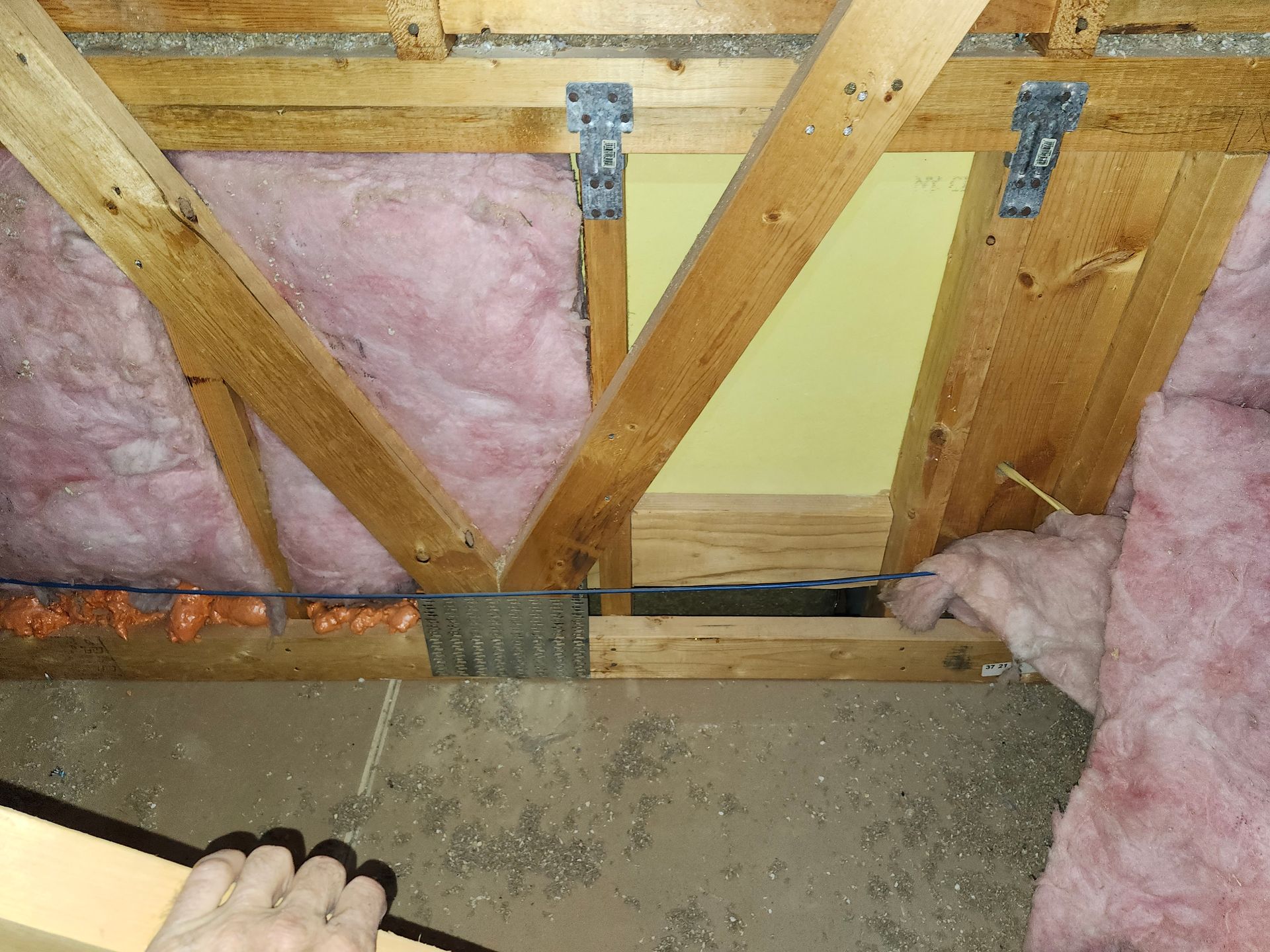
Attic Knee Wall Insulation-2010 Build
This attic knee wall originally contained standard R-13 fiberglass batt insulation installed between 2x4 studs. While cavity insulation was present, the wood framing remained exposed and several areas lacked a solid air barrier behind the insulation.
In knee wall assemblies like this, heat can move through the framing and around poorly supported insulation, allowing hot attic temperatures to affect the rooms on the other side of the wall.
Even when insulation meets code requirements on paper, real-world performance can be significantly lower when thermal bridging and air leakage are present.
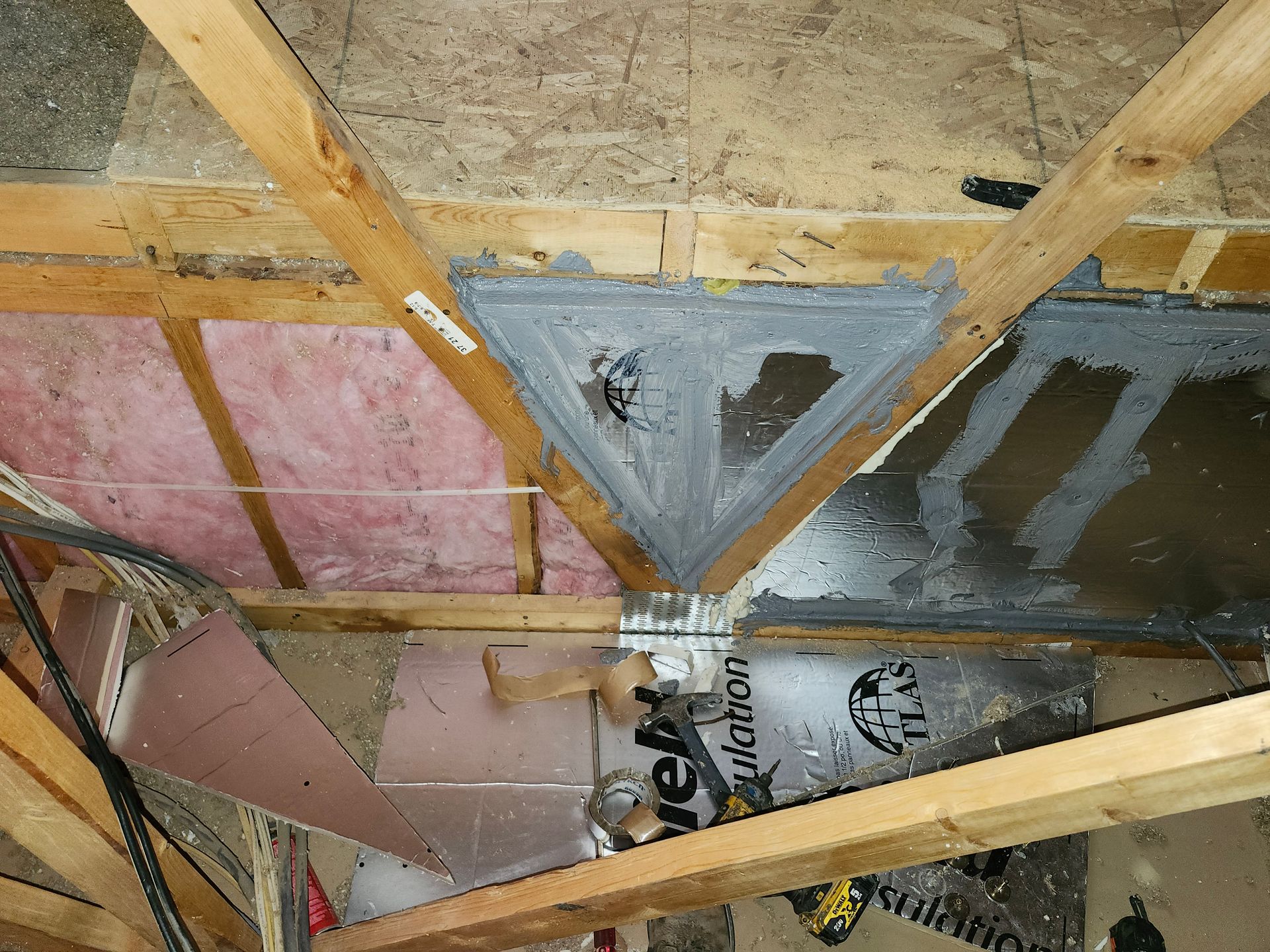
Attic Knee Wall Insulation Upgrade
To improve performance, continuous rigid foam insulation was installed across the face of the knee wall framing and sealed at the seams and edges.
This upgrade increased the nominal insulation value by roughly 50%, but more importantly reduced thermal bridging through the wood framing, allowing the wall to perform much closer to its intended insulation level.
Continuous insulation upgrades like this can dramatically improve comfort in rooms adjacent to attic spaces while reducing unwanted heat transfer from the attic.
Even higher-performance insulation upgrades are possible depending on homeowner goals, available space, and the overall design of the attic assembly.
If duct leakage is suspected, we may also recommend targeted duct sealing improvements.
Sharp Home Solutions provides insulation services throughout the Phoenix Metro and West Valley, including Peoria, Sun City, Sun City West, Surprise, and Buckeye.
Professional insulation and whole-home evaluation starts at $99
for most single-system homes.
This includes blower door testing, duct leakage testing, airflow/static pressure evaluation, attic insulation inspection, and visual duct inspection. Known - or suspected - performance issues should be properly identified and addressed before new insulation is installed. This includes not only air leakage concerns, but also items such as electrical repairs, bath fan corrections, duct issues, or other attic work that may disturb the insulation later. Addressing these items in the proper sequence helps prevent unnecessary disruption, avoids added costs, and ensures insulation upgrades deliver lasting results.
Testing helps identify whether duct leakage, airflow design, insulation, or system performance is contributing to your comfort or efficiency concerns.
Homes with multiple HVAC systems may require additional testing. All findings and recommendations are reviewed before any repair work is discussed
Schedule Insulation Evaluation
We typically respond within the same business day.
Serving homeowners throughout the Phoenix Metro and West Valley.